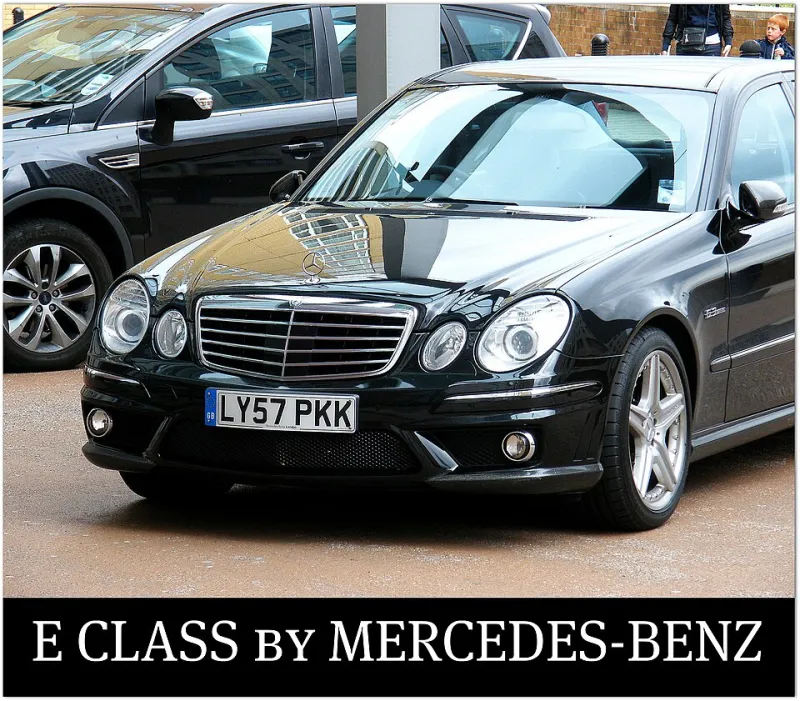
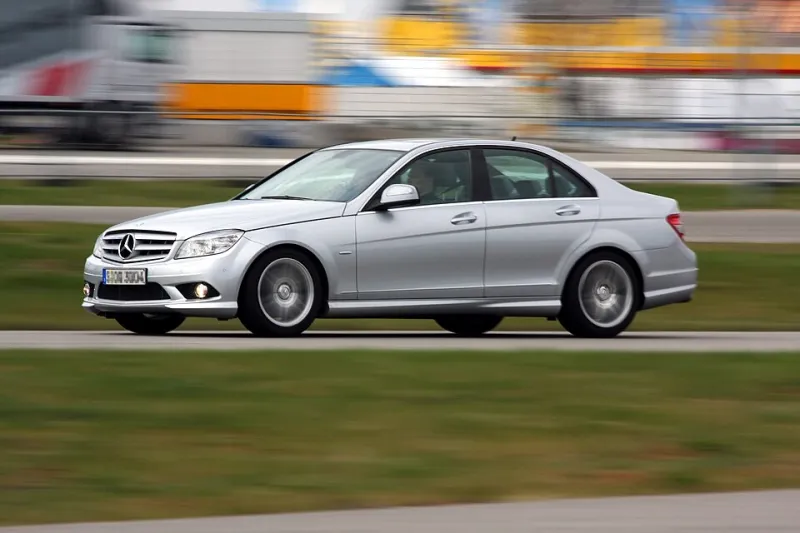
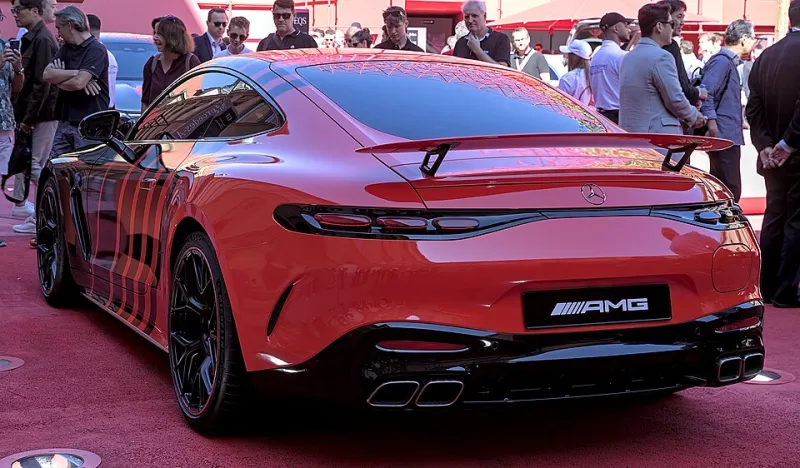
What Goes in the Tank? A UK Owner's Field Guide to 95 vs 99 RON in a Tuned Mercedes
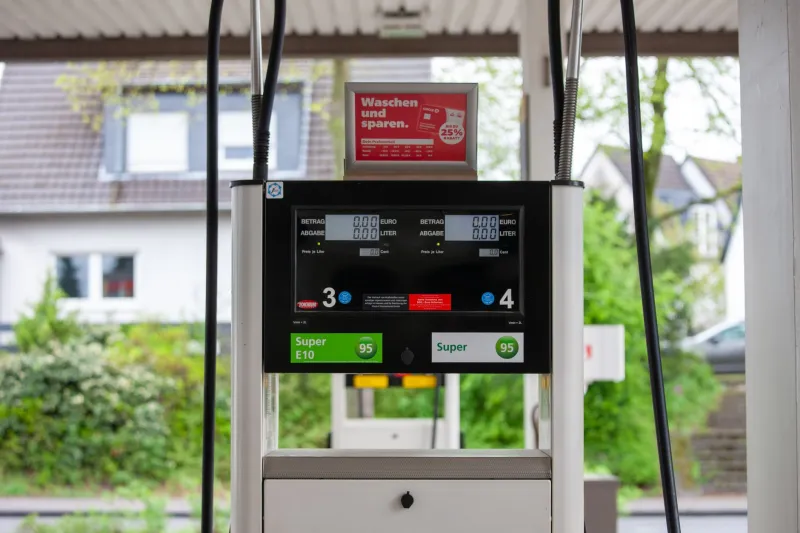
There is a certain ritual at the UK forecourt: pull up in a tuned Mercedes, ignore the 95 RON nozzle, and reach for the expensive stuff. Sometimes that is exactly the right call. Sometimes it is a £7-a-tank donation to the fuel company's marketing department. The difference comes down to what your engine is actually doing with the fuel, not what the pump sticker implies.
Octane is not a performance additive. It is a measure of resistance to knock. A 99 RON fuel does not contain more energy than 95 RON in any meaningful sense; it simply resists auto-ignition under pressure better. That matters when a turbocharged AMG is running high boost, hot intake charges and aggressive ignition timing. It matters much less on a standard car pootling to the shops.
What 99 RON actually changes inside the engine
On a modern Mercedes ECU, the knock control system is constantly listening. If it detects knock, it retards ignition timing, and on some models it will also trim boost or add fuel to protect the engine. On a remapped car running close to the edge of safe combustion, that protection can be triggered more often on 95 RON. Switch to 99 and the ECU may be able to run more advance, keep boost consistent and avoid repeated knock retard.
That is the theory. In practice, you need logs to know whether your car is benefiting. A tuned C63 or A45 on a hot day may show several degrees of knock retard on 95 RON during repeated pulls. The same car on 99 may show clean timing and a more stable intake temperature curve. But a standard C200 on a commute may show no meaningful difference at all, because it never asks enough of the fuel in the first place.
Read the log, not the pump badge
A useful back-to-back test needs discipline. Use the same stretch of road or dyno, similar ambient temperatures, similar fuel load and the same throttle application. Log ignition timing correction per cylinder, knock retard, intake air temperature, boost pressure, lambda and, if you have it, ethanol content. Do not rely on bum dyno impressions after one tank.
What you are looking for is not simply 'more power'. You are looking for consistency. Does the car pull timing on the third consecutive run? Does knock retard appear when intake temperatures climb? Does the ECU add fuel to cool things down? If 99 RON reduces those interventions, it is doing its job. If the logs look identical, you are paying extra for peace of mind rather than measurable protection.
UK fuel variability complicates things. A busy branded station with fresh 99 RON is not the same as a quiet forecourt with fuel that has been sitting in the tank. Seasonal blends also change through the year, and ethanol content can vary between grades and regions. Most 99 RON in the UK is E5, while 95 is commonly E10, but that is a broad rule rather than a guarantee. For a tuned car with a sensitive map, consistency matters as much as the octane number.
When premium fuel genuinely pays
If your Mercedes has been remapped for 99 RON, the answer is simple: use 99 RON. A tuner who writes timing and boost tables around premium fuel is relying on that knock resistance. Running 95 as a 'saving' is false economy, because the ECU will pull timing and you lose the very performance you paid to unlock. In that case, premium is not an upgrade; it is part of the specification.
It also makes sense for high-output cars used on track days, fast B-road runs in summer, or any application where intake temperatures rise and repeated load is normal. Heat is the enemy of knock resistance, and a hot July blat across the Pennines is a very different ask from a January motorway cruise.
For a standard Mercedes, the maths is less compelling. Take a 55-litre tank and a 10p-per-litre gap between 95 and 99. That is £5.50 extra per fill. Over 12,000 miles at roughly 28 mpg, you are using about 1,950 litres, so the annual premium is around £195 at 10p, or nearer £290 at 15p. If the manufacturer only requires 95 RON and your logs show no knock activity, that money may be better spent on tyres, brakes or simply more fuel.
The UK forecourt routine
For a tuned car, pick a fuel grade and stick to it where possible. Avoid filling from a station that looks deserted if you can, and do not leave a tank of 99 RON sitting for months expecting it to feel fresh. If you switch grades, give the ECU a reasonable run to adapt before drawing conclusions. And if you are chasing a specific map, ask your tuner what fuel it was written for rather than guessing from the badge on the filler cap.
The honest verdict? 99 RON is not snake oil, but it is not a magic potion either. It is insurance against knock, and insurance is only worth paying for when there is a real risk to cover. On a remapped AMG running hard, that risk is real. On a standard Mercedes doing the school run, the pump probably has your answer already.