Five Grand, One Sharper Mercedes: A UK Owner's Step-by-Step Budget Build
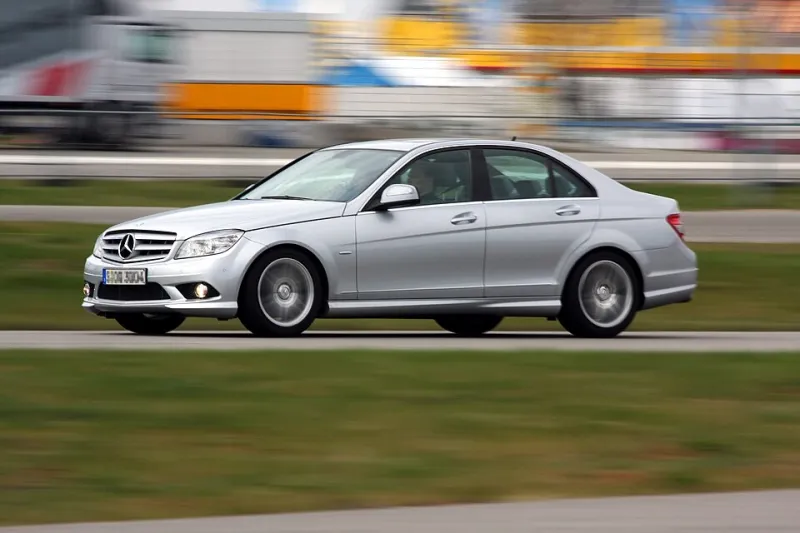
Photo: AngMoKio, CC BY-SA 3.0, via Wikimedia Commons
The temptation with a cheap fast Mercedes is to buy it, book a remap and order a set of coilovers before the first tank of fuel is gone. That is how £5,000 disappears and you end up with a car that is lower, louder and no quicker point-to-point. The smarter plan is less exciting on paper and much better on a B-road. Here is how to spend five grand on a used Mercedes without turning it into an undriveable project.
Pick the right starting point
The £5,000 is on top of the car, not the purchase price. A clean W204 C250 CGI, a W212 E350 or an R172 SLK 250 can be found for sensible money, and they respond well to the basics. A cheap C63 is tempting, but a £6,000 AMG can eat the entire budget in one visit to a specialist. Buy on service history, rust, gearbox behaviour and MOT history, not on the seller's claim that it just needs a service.
A Mercedes indie inspection is money well spent. Check for oil leaks, coolant leaks, worn suspension bushes, brake corrosion and tyre age. A car with good bones and a tired set of tyres is a better starting point than a shiny car with no history.
The £5,000 allocation
This is a road-biased plan, not a race-car build. The numbers are rough UK costs for a typical C-Class or E-Class, and they assume you use a good independent specialist rather than a main dealer.
- Baseline maintenance and fluids: £1,200
- Tyres: £700
- Brakes: £800
- Suspension and bushes: £1,200
- Alignment and geometry: £150
- Mild power hike and remap: £600
- Contingency: £350
That totals £5,000. It is deliberately front-loaded towards making the car healthy and safe. Power comes last because everything else has to cope with it.
Stage 1: make it healthy
Start with oil and filter, air filter, spark plugs if due, brake fluid, coolant and a gearbox service if the car has a sensible interval and the mileage supports it. Scan for fault codes and check for boost leaks on turbo cars. Clean the MAF and MAP sensors carefully. A tired thermostat or a weak water pump will cost you power and fuel economy long before it causes a breakdown.
This stage is not glamorous, but it is where a lot of lost performance hides. A car with old plugs, a dirty air filter and a leaking boost hose will feel transformed by a proper baseline service. Keep receipts. They help at resale and they prove to an insurer that the car has been maintained.
Stage 2: tyres
Tyres are the single best upgrade on any car. A good set of Michelin Pilot Sport 5 or Goodyear Eagle F1 Asymmetric 6 tyres in the correct size and load rating will improve braking, steering feel and wet confidence more than a remap ever will. Budget around £130-£180 per corner for 18-inch fitments, and do not mix budgets on the same axle.
Check the date codes. A tyre with plenty of tread but six years old is not a performance tyre any more. UK weather means standing water and cold mornings, so avoid semi-slick track tyres for a daily driver.
Stage 3: brakes
Fresh brake fluid and good pads are essential. If the discs are worn or corroded, fit quality replacements such as ATE or Brembo discs with a road-focused pad. Budget £300-£500 for parts, plus fitting if you are not doing it yourself. Braided lines can improve pedal feel, but make sure they are properly made and declared.
Do not fit full track pads for road use. They need heat to work, they squeal and they will not make you faster on a damp A-road. A standard setup in good condition is better than a fancy setup that is half worn.
Stage 4: suspension
A set of Bilstein B12 dampers and springs or Koni Special Active dampers will sharpen body control without ruining the ride. Budget £700-£900 for quality hardware, plus new top mounts and bushes where needed. Avoid £250 coilovers. They are a false economy on a heavy Mercedes and will make the car worse on the broken surfaces that pass for UK roads.
While the suspension is apart, inspect rear subframe bushes and front control arms. These cars are getting older, and tired bushes cause vague steering and uneven tyre wear. A proper alignment afterwards is not optional.
Stage 5: a mild power hike
A reputable remap on a turbocharged petrol or diesel can add useful mid-range torque, but keep it mild and make sure the cooling system is healthy. Budget £300-£600. On a naturally aspirated car, gains are smaller, so do not expect miracles. The point is driveability, not a headline dyno figure.
Declare the map to your insurer. Some will load the premium, some will refuse, and some will be surprisingly sensible. Budget for an extra £100-£500 a year depending on your age, postcode and claims history. An undeclared map is a risk you do not need.
MOT and insurance notes
Everything in this build should pass an MOT without drama. Keep the catalyst, keep the standard airbox if you can, and make sure the suspension is not so low that it fouls or fails. Check lights, plates and emissions before test day. If you fit different wheels, make sure the tyre sizes are legal and the speed rating is appropriate.
Insurance is the part most owners underestimate. Declare the tyres if they are a different size, declare the suspension, declare the map. A specialist broker who understands modified Mercedes is often cheaper than a mainstream comparison site that panics at the word remap.
The order of operations
Do the maintenance first. Then tyres and brakes. Then suspension and alignment. Drive it for a few weeks before the remap. That way you feel each change and you do not mask a problem with more power. Keep a contingency fund because old Mercedes have a habit of finding new ways to spend your money.
The verdict
A £5,000 build will not make a C250 as fast as a C63, and it is not meant to. It will make a used Mercedes feel fresher, sharper and more trustworthy on a wet Wednesday. That is a better result than a big dyno printout and a car that cannot get off a speed bump.