Short-Hop Syndrome: What Endless Two-Mile Trips Do to a Remapped Mercedes

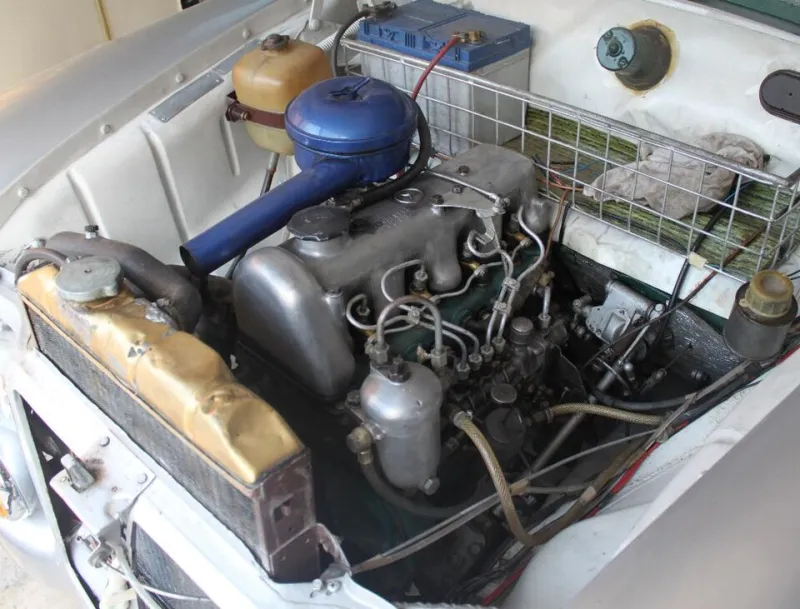
Photo: Dietmar Rabich, CC BY-SA 4.0, via Wikimedia Commons
There is a particular kind of UK Mercedes owner who does everything right on paper. The car is serviced, the tyres are decent, the remap was declared, and the fuel is usually the good stuff. Yet the same car spends most of its life doing two-mile trips: a station run, a school drop-off, a supermarket dash, then back home before the engine has properly warmed through. It is not abuse in the usual sense. Nobody is bouncing it off the limiter from cold. But short-hop life is its own kind of slow wear, and a tuned car tends to show the symptoms a little sooner.
The engine never gets the memo
A combustion engine is happiest when it reaches stable operating temperature and stays there. On a two-mile commute in November, it often does not. The coolant might creep towards normal, but the oil takes longer, and the gearbox, differential and brakes barely get a look-in. Meanwhile the ECU is still in warm-up mode, adding fuel to keep things stable. Some of that fuel ends up in the sump rather than the exhaust, thinning the oil and loading it with combustion by-products. On a remapped car, where you are often asking more of the same hardware, that is not a brilliant long-term arrangement.
The tell-tales are familiar if you know where to look: a whiff of petrol or diesel in the oil, a rising oil level on the dipstick, creamy mayonnaise under the filler cap in damp weather, or simply an engine that feels flatter than it did after the map was first loaded. None of these mean the sky is falling, but they are a signal that the car's duty cycle is working against it.
Warm-up myths that need binning
Idling on the drive for ten minutes is not a warm-up. It warms the coolant, spoils the neighbours and leaves the oil, gearbox and brakes largely untouched. It also creates condensation in the exhaust and, on some cars, encourages soot or particulate loading without the benefit of a proper drive. The better routine is simple: start, wait long enough for the fast idle to settle, then drive gently. Keep the revs low, avoid heavy boost and let the mechanical bits warm together. By the time you reach the bypass, the car is in a far better state than it would be after a stationary ten-minute idle.
Oil: the interval on the sticker is not always the interval you need
Mercedes service intervals are written for a mix of use. If your car genuinely lives on short trips, especially in cold, damp UK weather, the standard interval can be too optimistic. Many independent specialists will recommend shortening the oil and filter change to roughly annual or 5,000 to 6,000 miles for this kind of duty cycle, whichever comes first. That is not an upsell; it is cheaper than dealing with sludged internals, a sticky PCV system or a turbo that has been fed contaminated oil.
Use a good-quality oil that meets the correct Mercedes specification, and do not be tempted to stretch it because the car is low-mileage. Low mileage means very little if most of those miles were done from cold. If you are unsure, an oil analysis is a sensible once-a-year check on a tuned car: it will tell you about fuel dilution, coolant traces and wear metals without guesswork.
Battery drain and the modern Mercedes habit
Short journeys are miserable for batteries. Every start takes a big gulp of current, and the alternator or DC-DC system does not get long enough to put it back. Add a cold snap, a car that sits for days, and the usual collection of modules that wake up when you open the door, and you get slow cranking, random electrical gremlins and stop-start systems that quietly give up. A smart trickle charger is one of the best £60 you will spend if your Mercedes does repeated short hops. Fit the permanent lead, plug it in once a week, and stop asking the battery to do a job it was never designed for.
DPF, GPF and the emissions kit
Diesel owners know the DPF routine: short, cold trips load the filter, and the car needs a suitable run to regenerate. Petrol cars with a GPF are not immune either. The principle is similar: the emissions hardware needs heat and time. A remapped diesel that never gets a proper run can end up in repeated active regeneration, which dilutes the oil further and raises exhaust temperatures in normal driving. A petrol GPF car that only does short hops may not show a warning light straight away, but it is not doing the filter any favours.
A monthly long run is not a miracle cure, but it helps. Think 30 to 45 minutes at a steady legal motorway or dual-carriageway speed, not a thrash around the doors. That gives the oil time to heat properly, the exhaust time to dry out and the emissions kit a chance to do its job. If the car is diesel and you are seeing frequent regeneration messages, get the DPF loading checked rather than simply repeating short trips and hoping.
Condensation, brakes and the bits you forget
Short journeys also leave moisture in the exhaust, which is why some cars produce a surprising amount of steam and water on a cold morning. That is normal to a point. What is less normal is a car that never gets hot enough to clear it. Brakes suffer too: repeated light use in wet weather can leave discs with a rust film, and calipers that rarely get exercised can start to stick. A proper drive in dry weather, with some sensible braking from speed, helps keep the friction surfaces clean.
A realistic short-journey survival plan
You do not need to move house or buy a second car. You do need to accept that the car's maintenance schedule should reflect its life. Change the oil more often, keep the battery topped up, drive gently from cold, and give the car a proper run at least once a month. Check tyre pressures regularly, because short trips and cold weather hide slow losses. Keep an eye on the coolant and oil levels, and investigate any new noise or warning light rather than waiting for the next service.
Most importantly, do not confuse low mileage with easy life. A tuned Mercedes that has spent 2026 doing thousands of two-mile hops can be harder on its oil, battery and emissions kit than a higher-mileage car that has spent its life at motorway speed. Treat short journeys as a specific use case, not a harmless habit, and the car will feel sharper, start more reliably and wear far more gracefully.