Before the Spring Perch Goes: A Used Mercedes Rear Subframe Check for UK Buyers
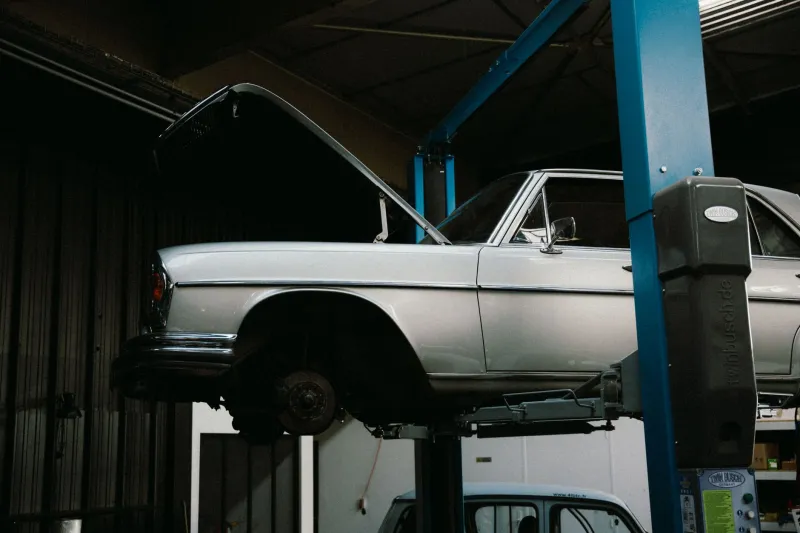
A used W204 C-Class or W212 E-Class can look remarkably together from ten feet away. Paint still has depth, the cabin has aged well, and the service book might be thicker than a paperback. Then the car goes on a ramp and the rear subframe tells a different story. On a British car that has seen a decade of wet winters and salted A-roads, that big steel cradle under the back end deserves more attention than the alloys.
This is not about scaremongering every Mercedes for sale. Plenty of cars are fine. But rear subframe corrosion is one of those jobs where a £150 inspection can save you from a £1,500 surprise, and where a bit of prevention on a good car is genuinely worthwhile. Think of it as buying the underneath first and the bodywork second.
Why the rear subframe matters more than it looks
The rear subframe carries the suspension, the differential on driven models, and a fair amount of the car's rear-end geometry. It is a heavy, complex pressing with spring seats, mounting points and pick-up points for the lower arms. When corrosion gets into the wrong place, you are not just dealing with a scabby bit of metal. You are dealing with something that affects how the car sits, steers and stops feeling settled.
On W204 and W212-era cars, the usual trouble spots tend to be around the rear spring cups and the lower control arm mounting areas, along with the subframe-to-body mounts and the edges near the brake and fuel line clips. Corrosion often starts inside box sections or behind underseal, so a quick glance at the outer face proves very little. What looks like a light dusting of surface rust can be a perforated spring seat waiting to reveal itself.
The models and the usual spots
You will hear W204 and W212 mentioned most often, but the same inspection logic applies to related cars such as the W207 coupe and W218 CLS. Age and use matter more than badge. A low-mileage example that lived near the coast can be worse underneath than a higher-mileage motor that was rinsed regularly and kept in a garage.
On the ramp, look closely at the rear spring perches, the area around the lower arm mounts, the main subframe mounting bushes, and the seams where the pressing folds over. Check both sides, even if one side looks clean. Pay attention to any bubbling under the factory coating, any flaking around bolt heads, and any area where a screwdriver can gently probe through. Do not go at it like a caveman with a chisel, but a careful probe will tell you more than a torch alone.
Symptoms before you even get under the car
A corroded rear subframe does not always announce itself. Sometimes the first clue is an MOT advisory for corrosion, which is why it is worth checking the DVSA MOT history before you travel. Other times the owner mentions a clunk over speed humps, vague rear-end behaviour, or uneven rear tyre wear. None of those prove subframe rot, but they are good reasons to insist on a proper inspection.
Be wary of a fresh coat of black underseal applied just before sale. It might be innocent tidying, or it might be hiding the exact area you need to see. Ask when it was done and why. A seller who has photographs of the before-and-after is much easier to deal with than one who suddenly went quiet.
What a proper pre-purchase ramp check should include
A useful inspection takes longer than a tyre kick. The car should be raised safely, wheels supported or removed as needed, and the rear subframe should be looked at with a bright torch and a mirror. The inspector should check the spring seats, the mounting points, the lower arm pick-ups, the brake line brackets and the general thickness of the metal around the known trouble spots. Gentle probing is fair; gouging is not.
Ask for photographs of anything suspect. If the seller will not allow an independent inspection, that is information in itself. A specialist who knows these cars will usually know exactly where to look and will tell you whether you are seeing surface rust, scale, or something that needs cutting out. If the car is already showing an MOT advisory for rear corrosion, do not treat it as a bargaining chip unless you have priced the repair properly.
When corrosion becomes an MOT problem
MOT testers assess corrosion on its effect on structure and safety, not on how ugly it looks. Corrosion near suspension mounting points, within the prescribed structural areas, or severe enough to affect braking or steering components is the sort of thing that gets attention. A perforated spring seat or a subframe mounting area that has gone soft is not a cosmetic issue. In 2026, with these cars well into their second decade, testers have seen plenty of them and are unlikely to be fooled by a quick coat of paint.
That does not mean every advisory is a death sentence. It means you need a proper diagnosis before money changes hands. A clean MOT with no rear corrosion advisories is a good start, but it is not a substitute for looking yourself or paying someone who knows the model.
The realistic money in 2026
Costs vary by model, labour rates and how much else is seized or worn while the subframe is out. As a broad UK guide, a good used or refurbished rear subframe might be £350 to £700, while a new genuine unit can run well over £1,000. Labour is the wild card: expect several hours of work, often more if bolts snap or brake lines need replacing. All in, a straightforward replacement at an independent specialist might land around £900 to £1,800, with worst-case jobs pushing past £2,000 once consumables, lines and alignment are added.
Protection is much cheaper. A proper clean-up and cavity wax treatment on a sound subframe is usually a few hundred pounds at most, and it is money well spent before another winter. What you should avoid is a cosmetic underseal over active rust. That traps moisture and makes the next inspection harder. If the metal is already scaly, it needs treating properly or replacing, not disguising.
Protecting a good subframe
If you buy a clean one, keep it clean. Rinse the rear underside after salted-road weather, especially around the subframe and wheel arches. Check the drain holes and clear any trapped leaves or mud. Have the subframe inspected annually, ideally before winter rather than after. A cavity wax product such as Dinitrol or Waxoyl, applied properly by someone who knows where the box sections run, is a sensible investment on a car you plan to keep.
Also deal with small issues early. A stone chip or a patch of surface rust on a subframe is much easier to manage than a rotten spring seat. Keep photographs and receipts for any treatment or replacement, because a future buyer will appreciate the paperwork and it makes the car easier to sell.
The buying checklist
Before you commit, check the MOT history for rear corrosion advisories, insist on a ramp inspection, photograph the spring seats and mounts, and price any repair into the deal. If the seller has recently undersealed the rear end, ask why. If the subframe is clean, protect it. If it is questionable, walk away or budget properly. These are brilliant cars when they are right, but the rear subframe is not a place to buy on hope.