The Service-Bay Reflash: Keeping Your Mercedes Map Alive at the Dealer
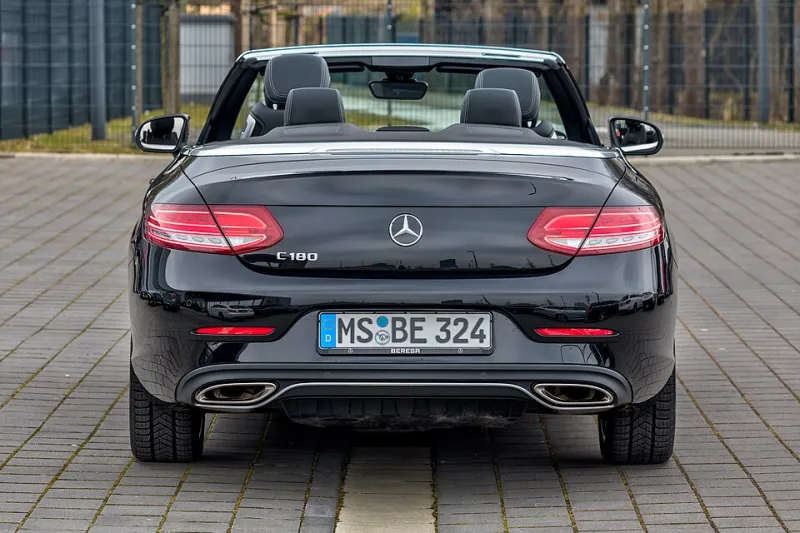
Photo: Dietmar Rabich, CC BY-SA 4.0, via Wikimedia Commons
Your Mercedes goes in for a routine service and comes out feeling softer. The boost arrives later, the exhaust has gone quiet, and the throttle no longer has that edge you paid for. Nothing is broken. The dealer has probably done exactly what the job card asked — and in the process, flashed a newer software calibration over your remap.
That is the awkward truth of tuning a modern Mercedes. The ECU is not a sealed box with a chip soldered into it. It is a networked computer that dealers update for recalls, driveability campaigns and diagnostic fixes. A tuned car and a dealer visit are not natural enemies, but they do need managing.
Why a service visit can wipe a map
Dealers use Mercedes-Benz diagnostic software to check module versions and apply manufacturer updates. Sometimes that is a specific recall. Sometimes it is a general software update while the car is in for a service. Either way, the ECU calibration can be overwritten. The same can happen at an independent with online access, or when a module is replaced and coded.
Not every update wipes every map. Some tuners lock ECUs or use map-switching hardware; some dealer operations only touch non-engine modules. But if your car is remapped, assume any software event is a risk until you have proof otherwise. The dealer is not trying to erase your £600 map. It is following a factory process that does not know your car is modified.
Spotting a wiped map without relying on your butt dyno
The first clue is often a change in character. Boost may feel lower or later. The car might short-shift differently, sound quieter on start-up, or feel less urgent in the mid-range. A map selector may stop working. You might see a new emissions-related fault or a different idle. But human memory is a poor dyno, especially after a few days in a courtesy car.
Before service, save a data log and a reference dyno pull if you can. Record boost target versus actual, rail pressure, ignition timing, throttle position and intake temperature on a third-gear pull. Ask your tuner for the map ID, checksum or file reference, and take a photo of the ECU label or calibration screen if accessible. After service, repeat the same log on the same road and compare. If the boost curve and timing have changed, ask questions before you drive it hard.
A scan tool that shows calibration IDs is useful, but not every consumer tool exposes them. Your tuner may be able to read the file and tell you whether it is theirs. That is usually quicker than guessing.
The pre-service checklist
- Call your tuner first. Ask how they identify their map, whether they keep a stock file, and what a restore costs. Some will reflash for a small fee; some charge a full map. Know the number before the dealer calls you.
- Ask the service advisor whether any software updates or recall campaigns are outstanding. Get it in writing if you can. Put a note on the job card: please contact me before carrying out any software update or campaign reflash. A dealer may still need to do a safety recall, but at least you have a conversation rather than a surprise.
- Record the car's state: map slot, driving mode, any hand-held controller, ECU calibration ID, VIN and current mileage. Photograph the dash and the controller.
- Log the car warm, on the same stretch of road you will use afterwards. Save the file with the date.
- If the car is still under manufacturer warranty and you are worried about goodwill, decide before the visit whether to revert to stock. Do not ask the dealer to guess.
Dealer or independent?
For routine servicing, a good Mercedes independent is often the lower-risk choice for a tuned car. They see modified cars regularly, can log before and after, and are less likely to apply a blanket software update without asking. They may not have access to every factory campaign, though.
The dealer still makes sense for warranty work, safety recalls and software that only the franchise network can perform. If you use the dealer, go in with the checklist above and accept that a mandatory recall may override your plans. The best outcome is a service desk that calls you before flashing. The realistic outcome is that you have a restore plan and a tuner on speed dial.
Warranty, goodwill and insurance
A remap can affect warranty cover on related components. If a dealer sees a non-standard calibration, it may note it. That does not automatically void the whole warranty, but it can complicate claims on the engine, gearbox or emissions system. Goodwill after the warranty expires is discretionary, and a documented service history with a sensible modification story helps more than a hidden map.
Insurance is the other side. If your policy lists a remap and the dealer wipes it, tell your insurer the modification has been removed and update the policy. If you later restore the map, tell them again. If the ECU is replaced or updated, keep the paperwork. An undeclared change — in either direction — is not worth the risk.
After the visit, check the invoice for software updates. If the map has gone, contact the dealer calmly and ask what was applied and why. Then call your tuner. A wiped map is annoying, but it is fixable. A wiped map you did not notice until the first track day is a more expensive kind of annoying.